Gold Isn't Rising. The Currency Is Shrinking.
Gold is trading near $4,700 an ounce — 4 times its price 10 years ago. Every chart looks like a market on fire. The chart is being read the wrong way around.

Gold is trading near $4,700 an ounce, 4 times its price 10 years ago. Every chart looks like a market on fire. The chart is being read the wrong way around.
An ounce of gold bought a tailored coat 100 years ago. It buys a tailored coat today. The same is roughly true of a good dinner, a night in a hotel, the rent on a small Paris apartment. Measured in gold, the cost of ordinary life has barely moved. Measured in dollars or pounds, everything seems to get more expensive every year — because the currencies themselves are shrinking.
So gold isn't really rising. It has been standing still for a very long time. The paper around it is what keeps falling.
The more useful question about the gold standard is not when it ended, but why.
For most of history, governments could only spend what they could tax or borrow against actual gold. That was a real constraint. Wars had to be paid for. Promises had to be kept. More money meant nothing if it could not be exchanged for the metal.
By the late 1960s this had become inconvenient. The United States was financing Vietnam, expanding social programs at home, and running deficits — and there were more dollars in the world than there was gold in Fort Knox to back them. France, sensing this, started sending ships to redeem its dollars for bullion. Other countries followed. The vaults emptied faster than they could be filled.
The honest fix would have been to admit the dollar was worth less and raise the official gold price. Instead, in August 1971, Nixon went on television and announced the dollar would no longer be exchangeable for gold. He called it temporary. It wasn't.
What that decision actually did was remove the last hard constraint on how much money governments could create. Deficits, bailouts, stimulus, decades of expanding debt — none of it would have been possible under the old rules.
The people who own assets — property, stocks, gold — have done well in this system, because new money tends to flow into things. The people who hold paper — savers, retirees, anyone keeping their money in a bank account — quietly lose purchasing power every year.
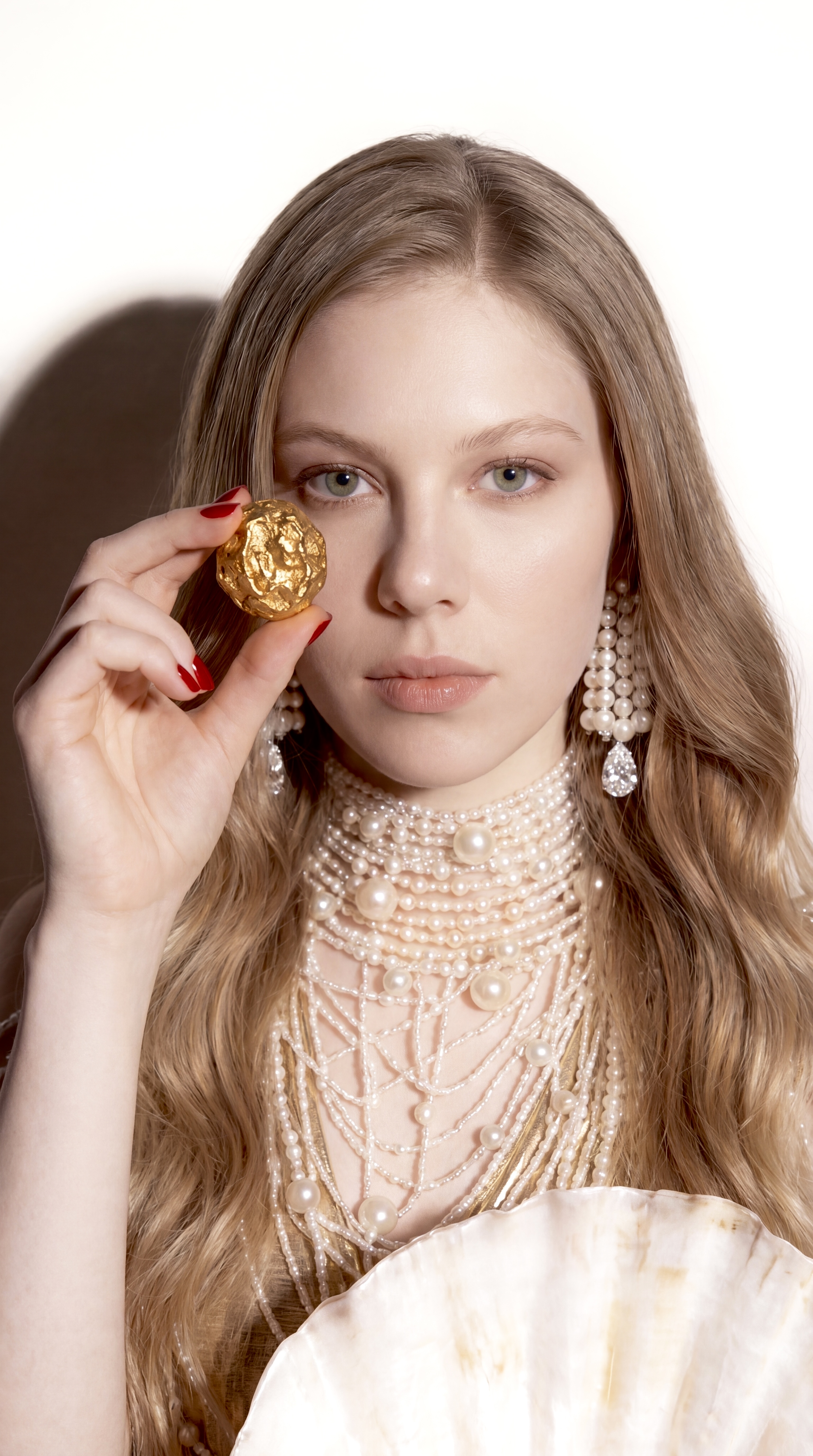
This is the frame for what gold actually is. Buying it is not speculation. It does not pay interest. It just does what it has always done — hold its value while everything around it drifts. A small bar in a safe, a coin on a chain, a pair of earrings handed down — these are the same idea, dressed differently.
Currencies were built to lose value. The metal wasn't.