Botswana, Angola, and the Quiet Revolution in Natural Diamond
On May 19 the WFDB admitted Botswana and Angola as sovereign-affiliated members — the first time in 79 years the producing countries hold a seat at the table.
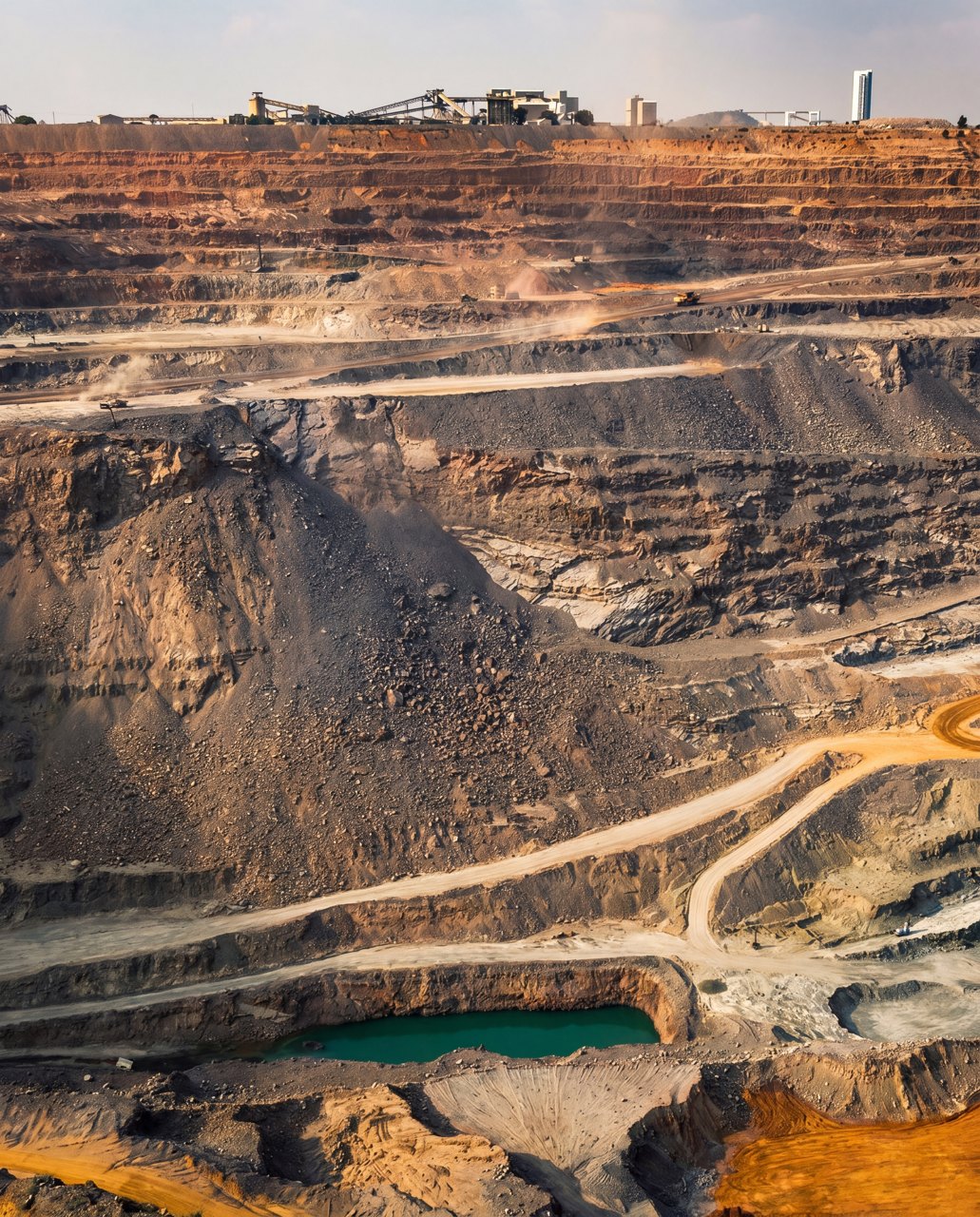
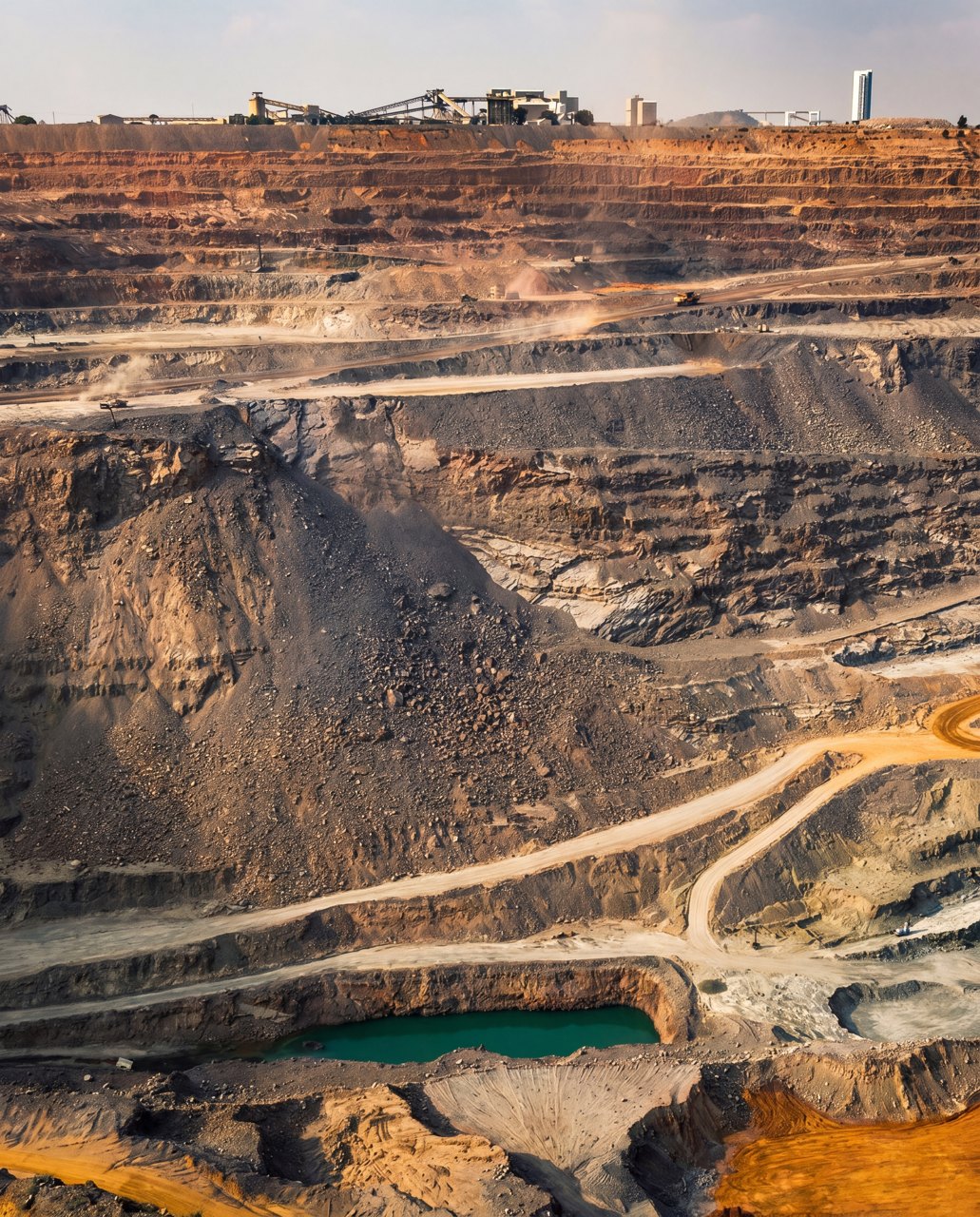
On May 19, the World Federation of Diamond Bourses admitted the governments of Botswana and Angola as sovereign-affiliated members — the first time in 79 years that the countries where diamonds actually come out of the ground hold a seat at the table that until now belonged only to the trading houses of Antwerp, Mumbai, Tel Aviv, Ramat Gan, and New York.
What this means in plain terms. The WFDB is the union of the major diamond bourses. For all 79 years of its existence it has represented only the traders — the firms that buy uncut stones from mines, cut them, polish them, and sell them on. The countries the stones come from were never inside the club. They were suppliers of raw material, not equal participants in the market.
That changed on May 19. Tomorrow's Rapaport sheet will not show it, consumer press will miss it, but it is the most consequential news in natural diamond in a generation.
Why it matters. Botswana accounts for more than 25% of global rough diamond output by value. Angola has been expanding production for several years. For the last 5 years both countries have been asking — politely at first, less so recently — that their diamonds stop being shipped whole to Antwerp and Mumbai for cutting, and instead be cut, polished, and branded inside the producing country. So the money currently earned in Belgium and India turning rough into jewelry stays where the stone came out of the ground. WFDB membership gives them a formal vote to push that demand from a request into a rule.
The supply side is shifting in parallel. De Beers is running 35% below capacity, ALROSA 15% below. Global rough output for 2026 is forecast at 105 million carats against the 2017 peak of 150 million. Canada's Ekati mine is under creditor protection extended to July 28, and the price of its rough has fallen 74% since US tariffs were imposed. RioZim halted Zimbabwe's Murowa mine this week over $76.5 million in debt. Fewer diamonds are being pulled from the ground, and control of what remains is concentrating into fewer hands. Two of those hands now hold a formal vote inside the trade's own governing body.
What it means for prices. In the next few weeks — nothing. Auction catalogs will not change and Tuesday's prices will not move. But within a year or two a floor will form under polished diamond prices below which the market will not be allowed to fall, because producer countries will refuse to sell their rough below it. And within 5 years the question of who owns each step of the chain from mine to retail will be rewritten.
Tactically there is nothing to do this week. Strategically, this is when serious buyers quietly accumulate large certified stones with full provenance documentation. By the time the shift makes the headlines, prices will already have absorbed it.